

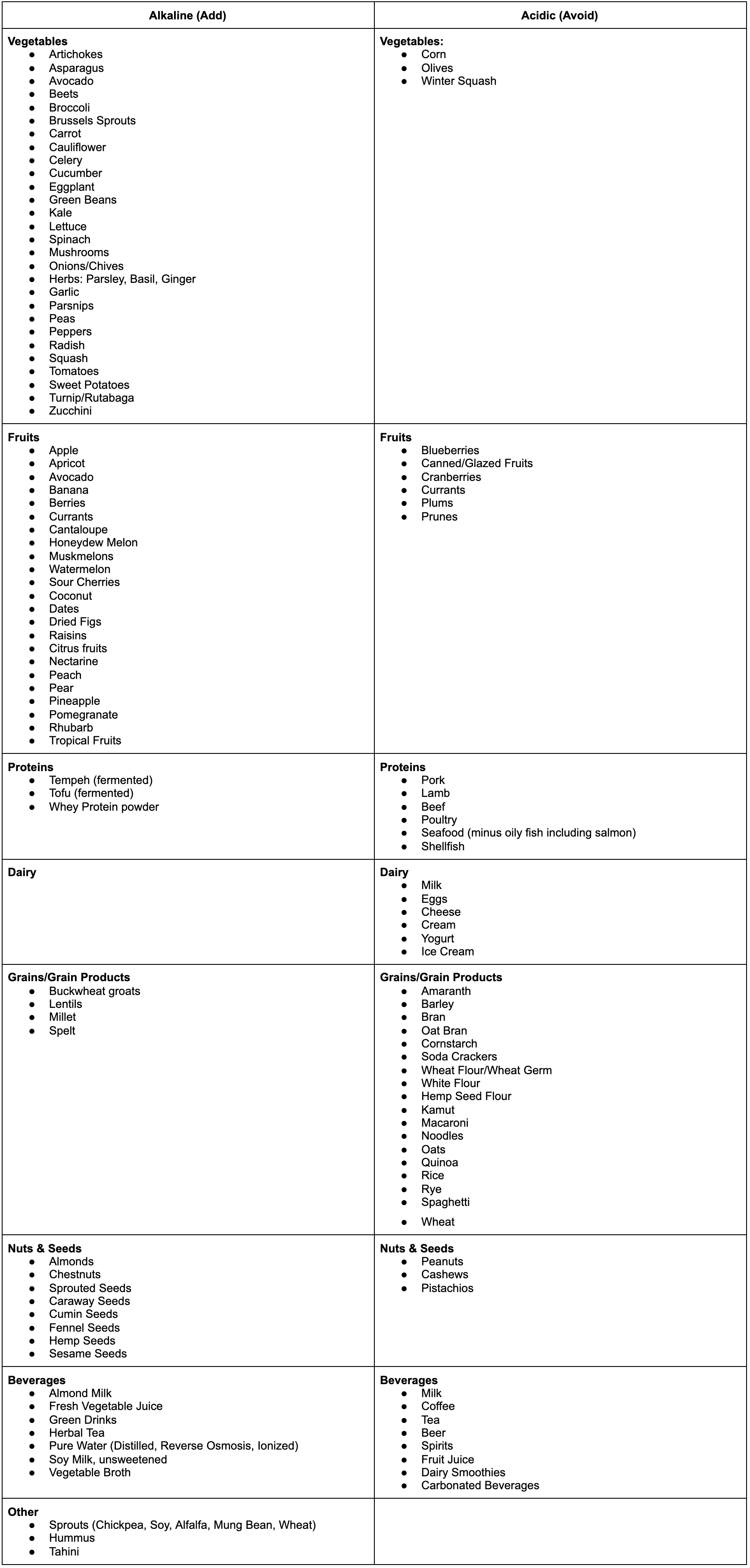
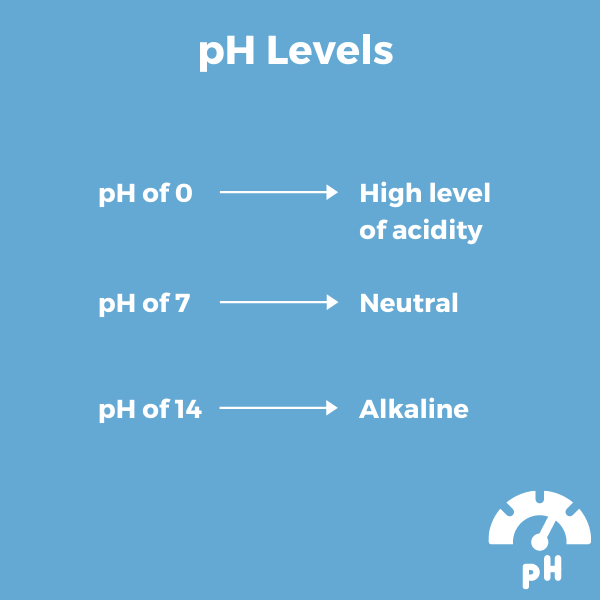
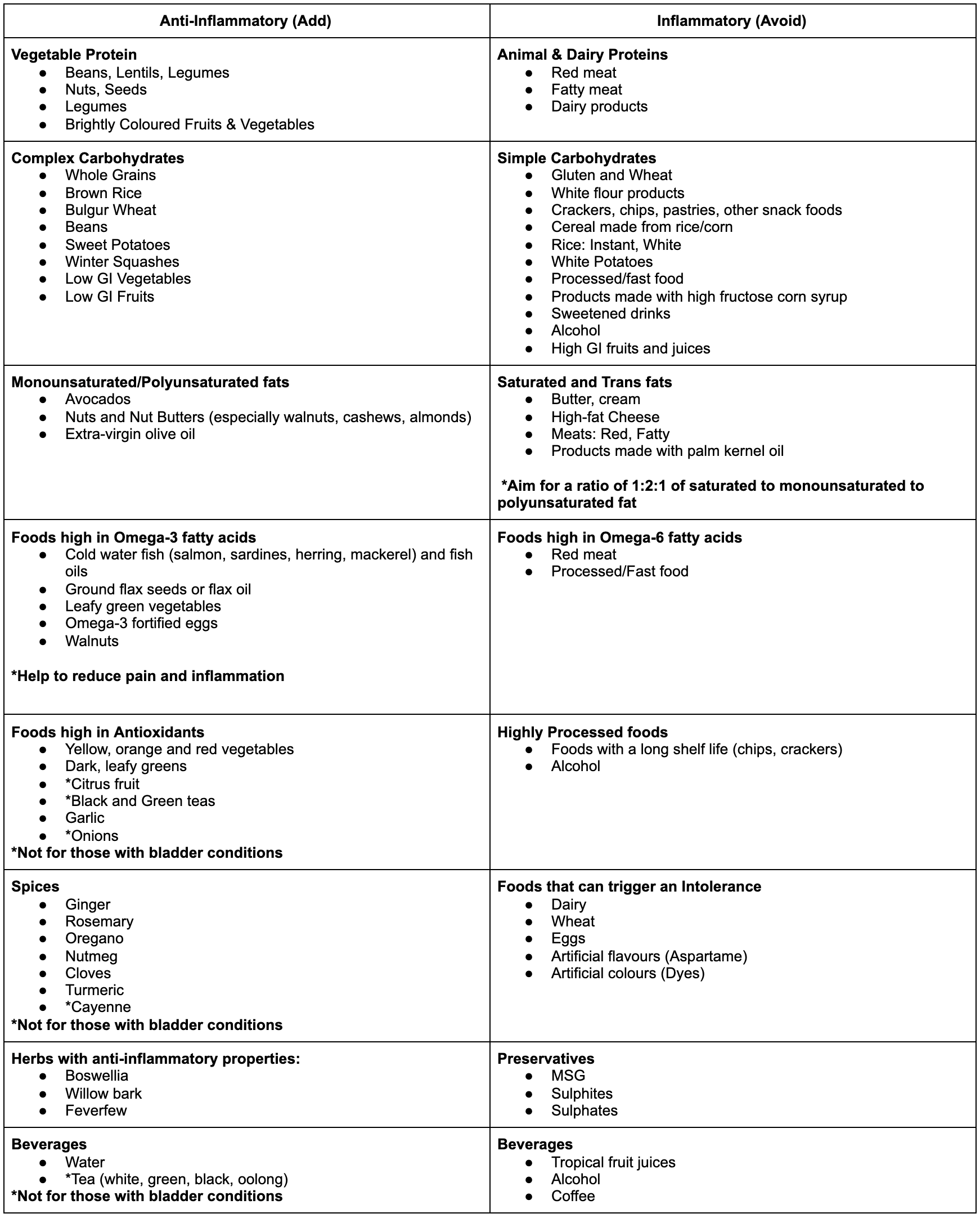
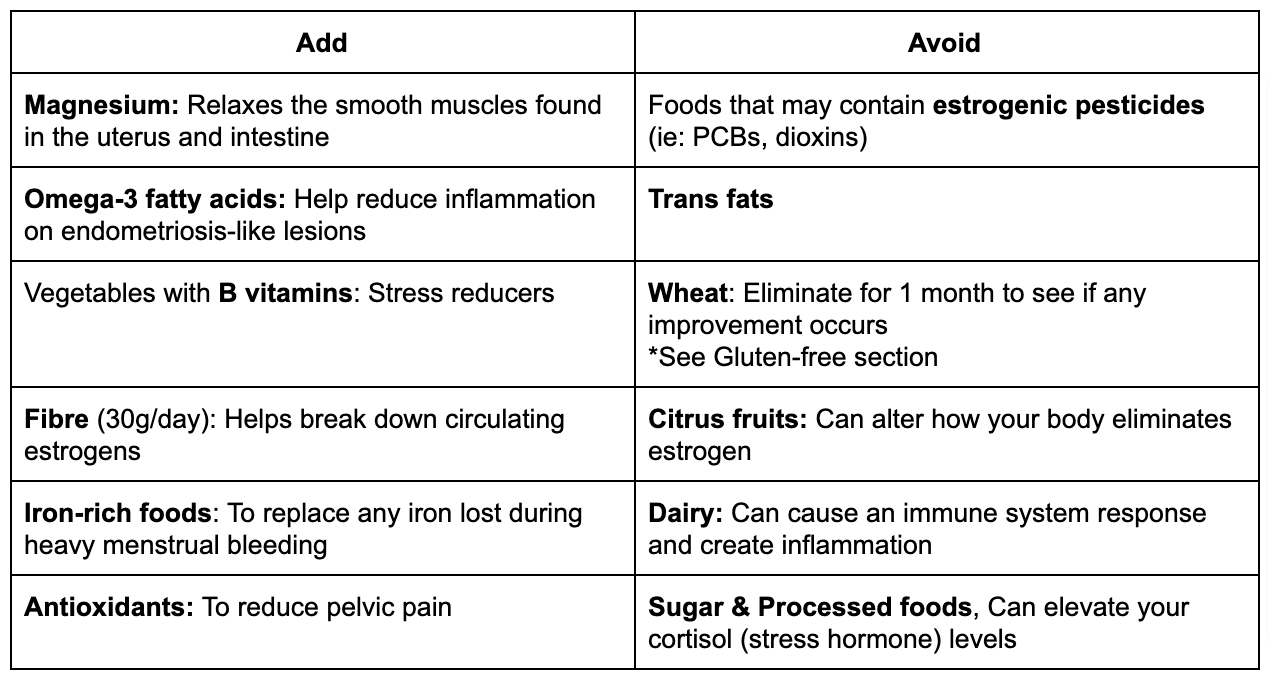
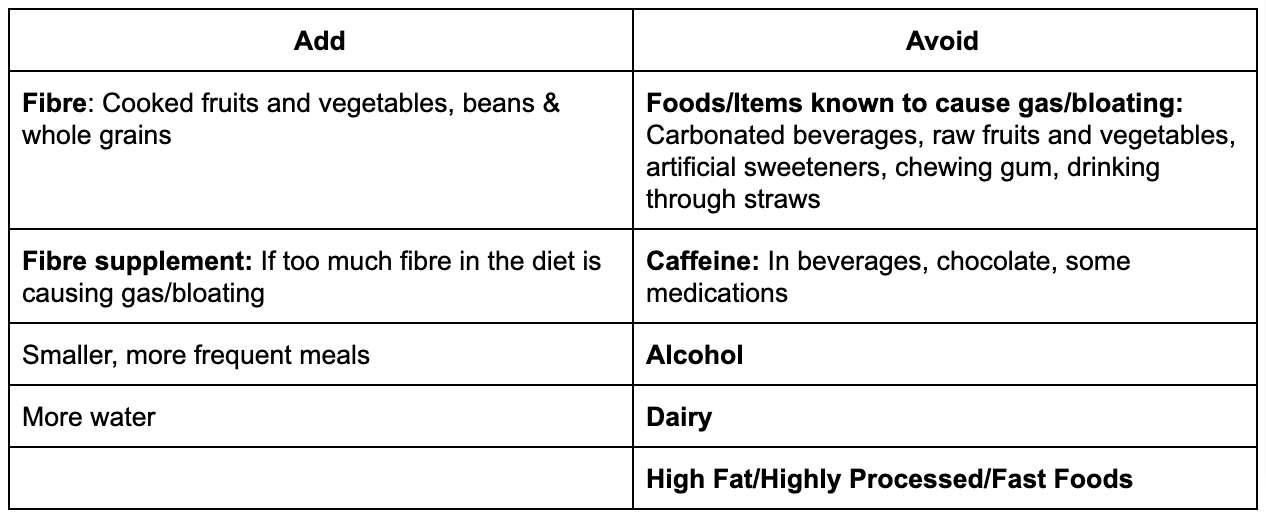
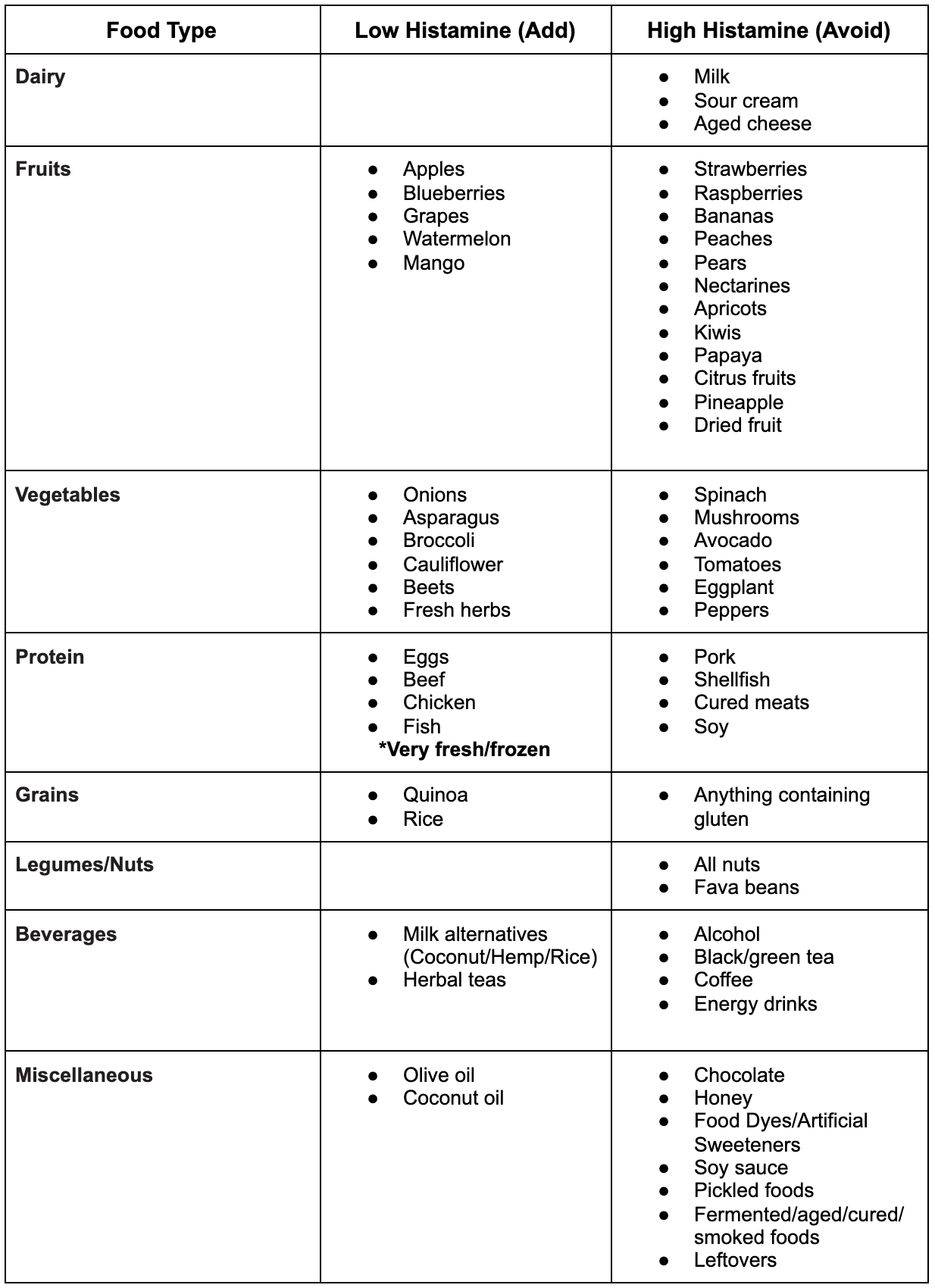
*Beneficial for those with chronic pelvic pain and Irritable Bowel Syndrome (IBS)
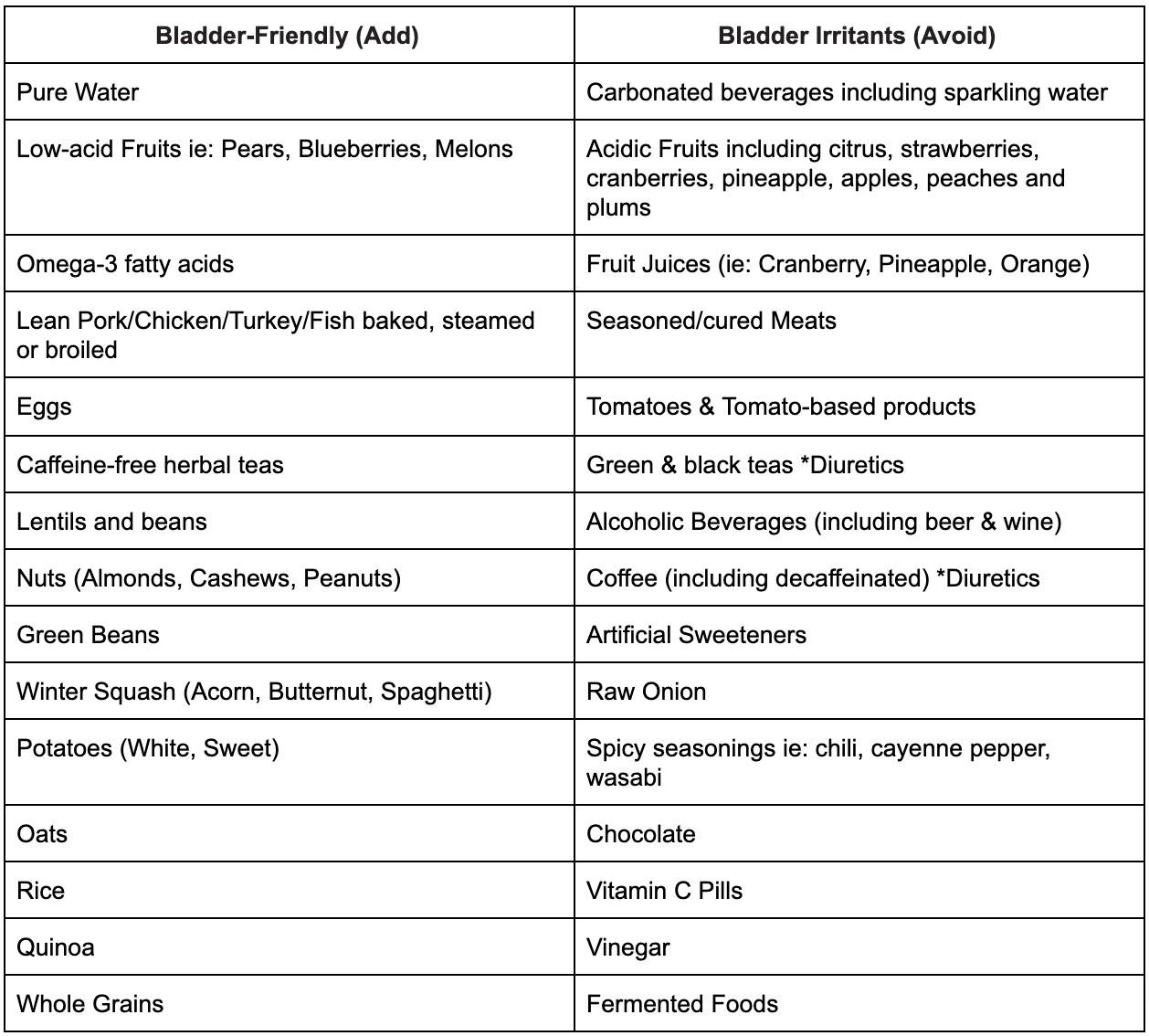
*Diuretics: Encourage the release of water in the urine

*Ingredient lists of all food products should be checked before consuming to ensure they do not contain gluten
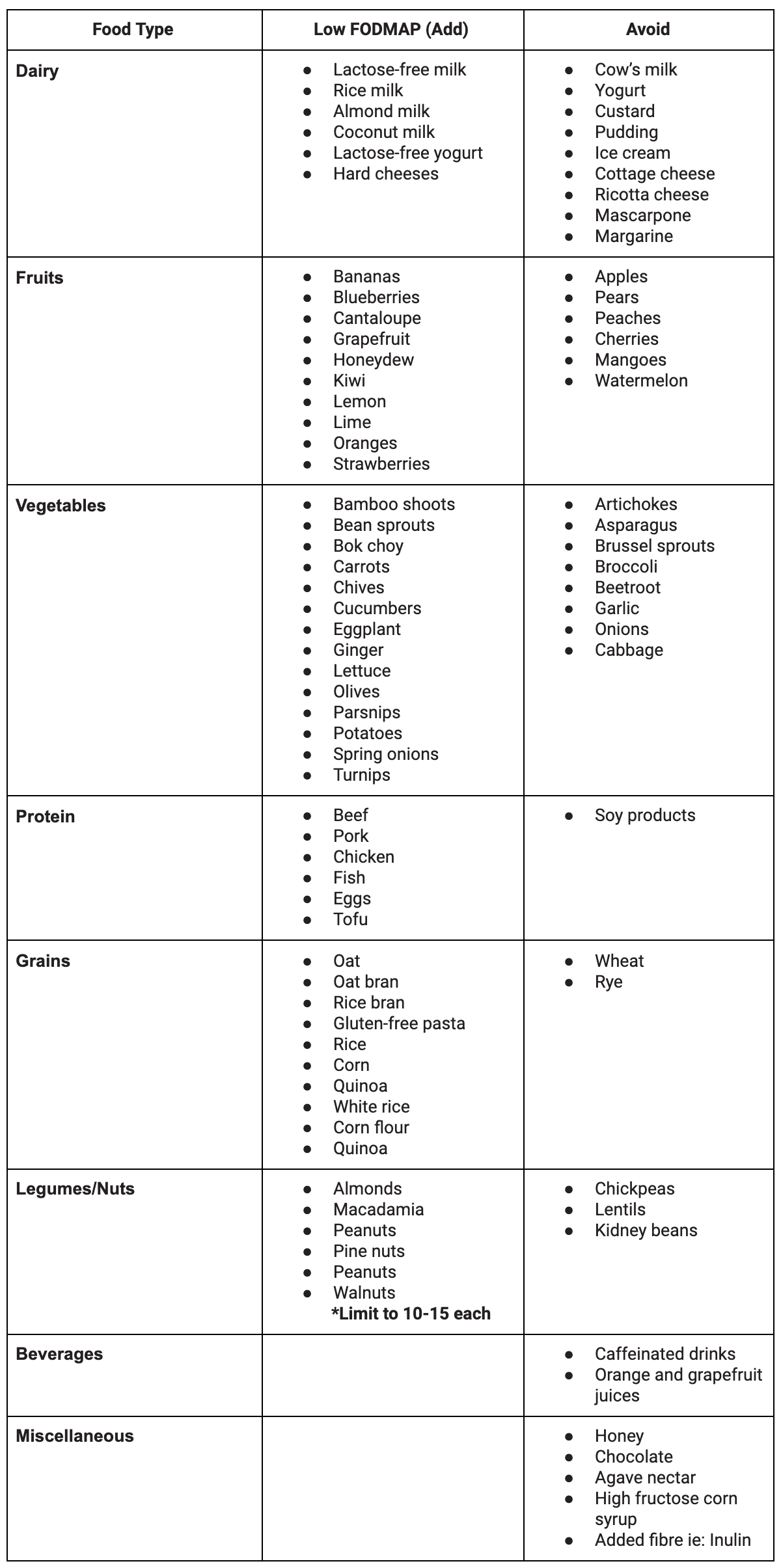
FODMAP (Fermentable Oligosaccharides, Disaccharides, Monosaccharides And Polyols)

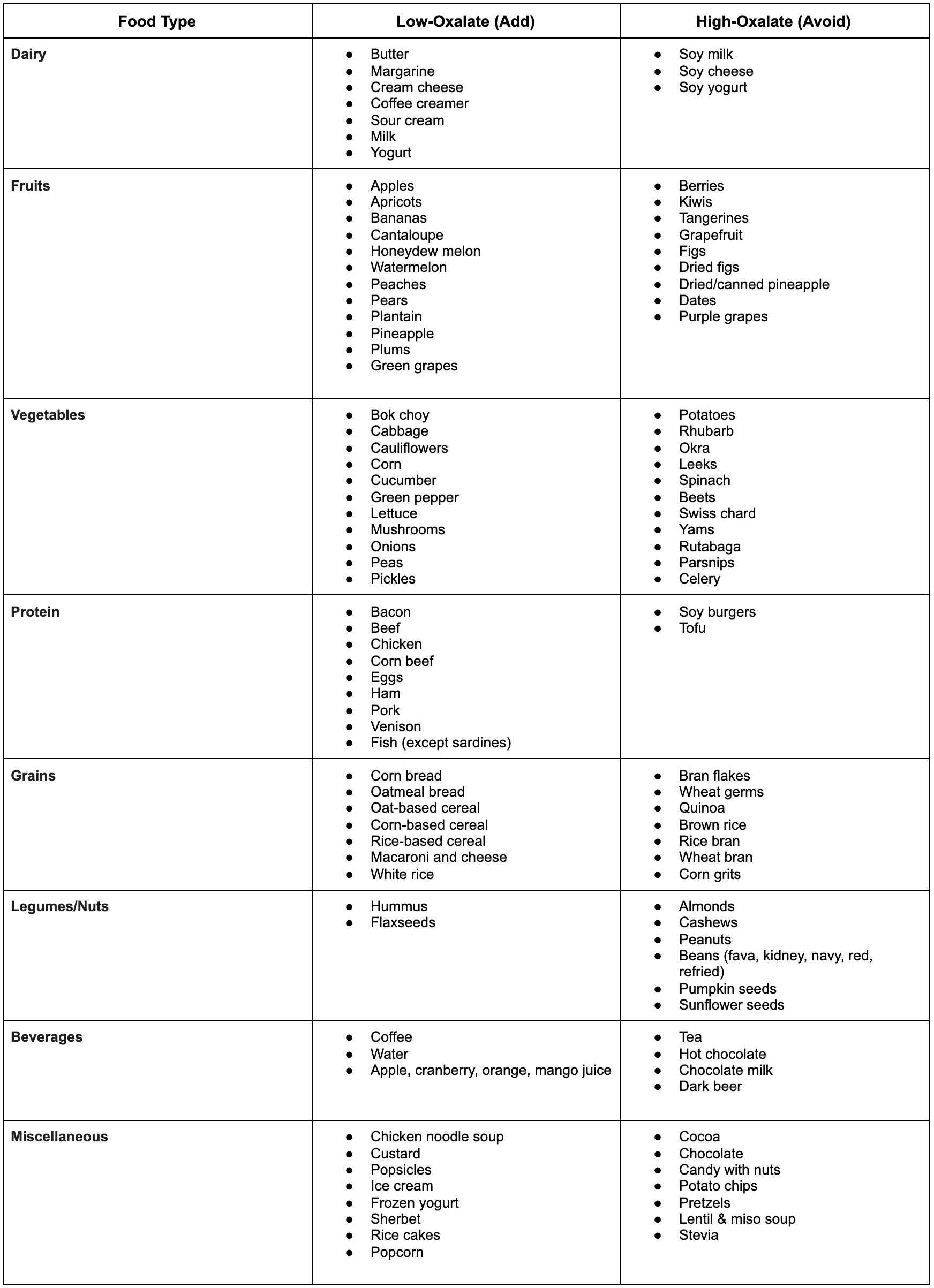
High oxalate levels from:
To reduce high oxalate levels:
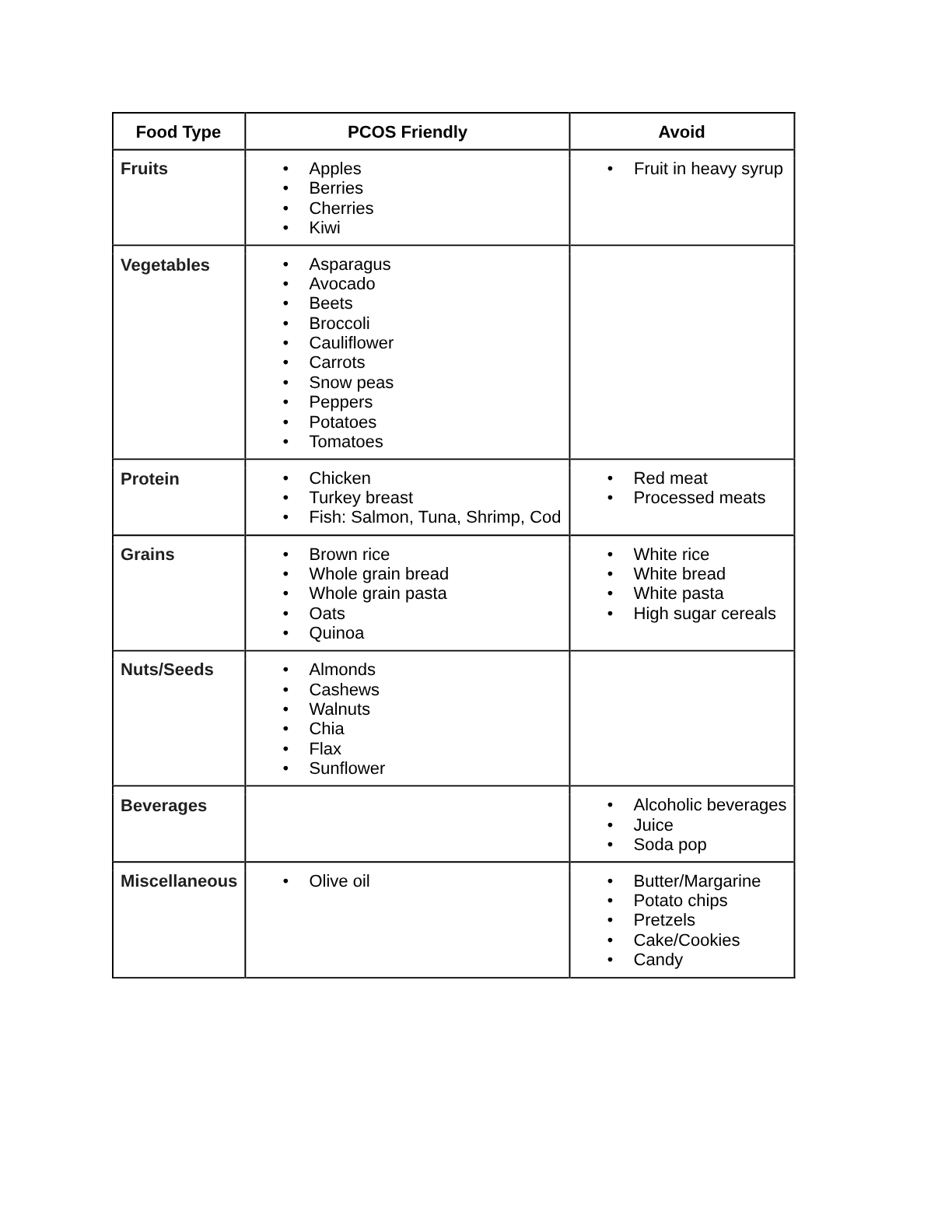
Research shows that people with PCOS show evidence of all-over inflammation. Emphasizing non-starchy vegetables and fruits, lean protein, and healthy carbohydrates can help people with PCOS get healthier and prevent complications.
*Beneficial for those with chronic pelvic pain and Irritable Bowel Syndrome (IBS)
*Diuretics: Encourage the release of water in the urine
*Ingredient lists of all food products should be checked before consuming to ensure they do not contain gluten
FODMAP (Fermentable Oligosaccharides, Disaccharides, Monosaccharides And Polyols)
High oxalate levels from:
To reduce high oxalate levels:
Research shows that people with PCOS show evidence of all-over inflammation. Emphasizing non-starchy vegetables and fruits, lean protein, and healthy carbohydrates can help people with PCOS get healthier and prevent complications.